
Belle de Nancy lilac (Syringa vulgaris ‘Belle de Nancy’) is a classic French hybrid lilac that has been captivating gardeners since its introduction in the late 19th century. Hardy in USDA zones 3 through 7, it’s a deciduous shrub that thrives in full sun and prefers well-drained, slightly alkaline to neutral soil. It’s tolerant of clay soils as long as drainage is adequate, and it doesn’t do well in consistently wet conditions. Belle de Nancy is considered moderately deer resistant, though no plant is entirely deer-proof in areas with heavy pressure.
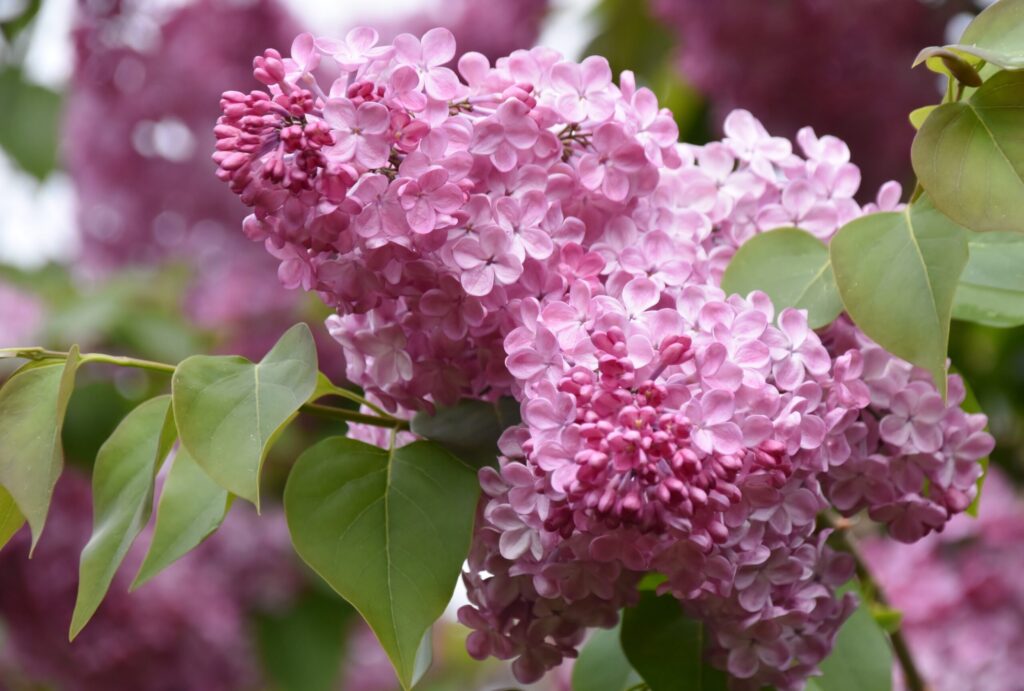
What makes this lilac truly irresistible is its extravagant double blooms. In mid to late spring, typically May, the shrub erupts in large, densely packed panicles of rose-pink to mauve flowers with a sweet, intoxicating fragrance that’s hard to match in the garden. The buds open a deep magenta-pink and soften to a warm lilac-pink as they mature, creating a two-toned effect that’s nothing short of showstopping. At maturity, Belle de Nancy reaches 8 to 12 feet tall and 6 to 10 feet wide, making it a substantial and long-lived addition to any landscape. If you’re looking for a shrub that combines old-world elegance with incredible fragrance and easy care, this is it.
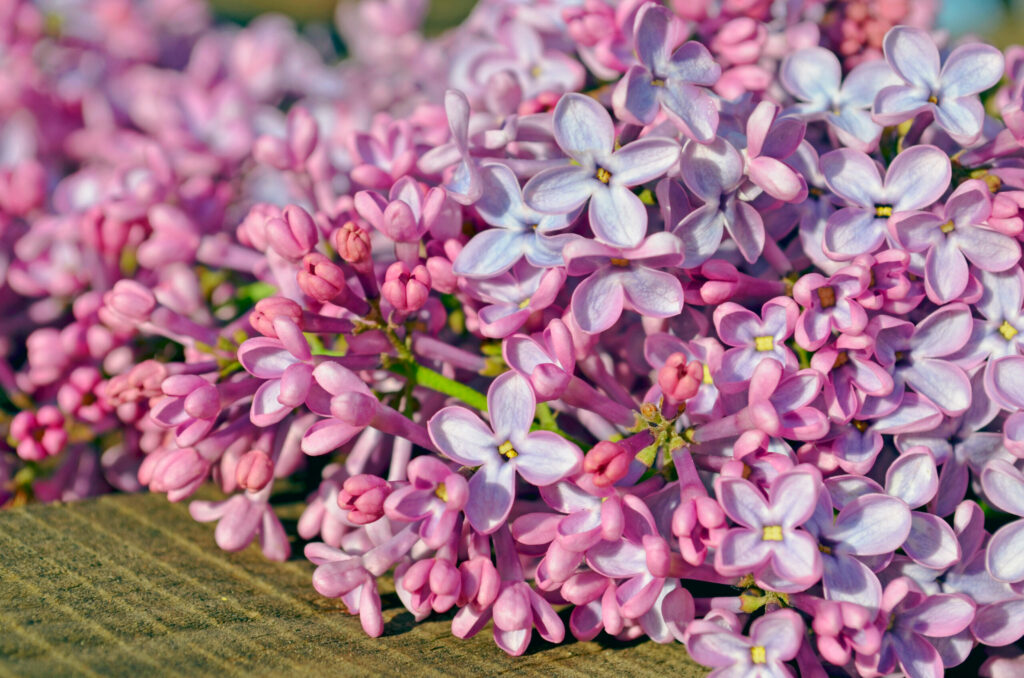
In the landscape, Belle de Nancy works beautifully as a specimen plant, a flowering hedge or screen, or a backdrop in a mixed border. It’s a natural choice for cottage gardens, and its blooms are exceptional as cut flowers for indoor arrangements.

Plant care
Belle de Nancy lilac is a low-maintenance shrub once established, but a little attention at the right times goes a long way toward keeping it healthy and blooming at its best.
Watering: Water deeply and regularly during the first growing season to help the root system establish. Once established, lilacs are quite drought tolerant and generally only need supplemental watering during extended dry spells.
Fertilizing: Less is more with lilacs. Too much nitrogen encourages leafy growth at the expense of flowers. If you fertilize at all, use a balanced, low-nitrogen fertilizer in early spring, or top-dress with compost. Avoid fertilizing after midsummer.
Mulching: Apply 2 to 3 inches of organic mulch around the base of the plant to retain moisture and regulate soil temperature, keeping the mulch a few inches away from the main stems.
Pruning
Pruning is one of the most important aspects of lilac care, and timing is everything. Belle de Nancy blooms on old wood, which means the flower buds for next year’s bloom are set shortly after the current season’s flowers fade. Always prune within a few weeks after flowering in spring, never in late summer, fall, or early spring, or you’ll cut off next year’s blooms.
Remove spent flower clusters to tidy the plant and direct energy away from seed production. Each year, cut out a few of the oldest, thickest stems at the base to encourage vigorous new growth. This renewal pruning keeps the shrub from becoming leggy and wood-choked over time. Avoid shearing lilacs into formal shapes, as this reduces flowering and detracts from their natural form.
Sunlight and soil
Belle de Nancy needs at least 6 hours of direct sun per day to flower well. In too much shade, you’ll get plenty of foliage but very few flowers. Good air circulation around the plant also helps reduce the likelihood of powdery mildew, a common cosmetic issue with lilacs in humid conditions.
Soil should be well-drained and moderately fertile. Lilacs prefer a slightly alkaline to neutral pH, somewhere in the range of 6.5 to 7.0. If your soil is acidic, adding lime can help bring it into the right range. A soil test before planting is a smart first step.
Pests and diseases
Belle de Nancy is generally a tough, pest-resistant shrub. The most common issue is powdery mildew, a fungal condition that can coat leaves in a white, dusty film in late summer. It’s primarily cosmetic and won’t kill the plant, but improving air circulation and avoiding overhead watering can reduce its occurrence. Lilac borers and leaf miners occasionally appear but rarely cause serious damage in a healthy, well-maintained plant.
Landscape uses
Belle de Nancy lilac is versatile enough to anchor a variety of garden styles. Use it as a striking specimen in a lawn or courtyard, plant several in a row to create a fragrant flowering hedge or privacy screen, or tuck it into the back of a perennial border where its spring blooms will shine and its foliage will provide a green backdrop for the rest of the season. It pairs beautifully with other spring-blooming plants like tulips, alliums, and bleeding heart, and it complements ornamental grasses and native perennials in a more naturalistic planting.
Frequently asked questions
Why isn’t my Belle de Nancy lilac blooming? The most common reasons are insufficient sunlight, over-fertilization with nitrogen, or pruning at the wrong time. Make sure the plant gets at least 6 hours of direct sun, go easy on the fertilizer, and only prune right after flowering in spring.
How fast does Belle de Nancy lilac grow? Lilacs are moderate growers, typically adding 1 to 2 feet per year when young and well-sited. Growth slows as the plant matures.
Can I grow Belle de Nancy lilac in a container? It’s not well-suited to container growing due to its ultimate size and its need for a cold winter dormancy period to bloom reliably. It’s best planted in the ground.
Does Belle de Nancy lilac attract pollinators? Yes, the fragrant flowers are a magnet for butterflies and bees in spring.
How long do lilacs live? Lilacs are exceptionally long-lived shrubs. With proper care, Belle de Nancy can thrive for decades, and there are documented lilac specimens in New England that are over 100 years old.
When is the best time to plant Belle de Nancy lilac? Early fall or early spring are the ideal planting times, when temperatures are mild and plants can establish roots before facing summer heat or winter cold.
Do I need to deadhead the flowers? Deadheading isn’t strictly necessary, but removing spent blooms right after flowering encourages the plant to put its energy into next year’s flower buds rather than seed production.
Leave a Reply