
Growing figs combines history, horticulture, and harvest in a uniquely satisfying way. These trees connect you to thousands of years of agricultural tradition while providing delicious fruit with minimal fuss. Whether you’re cultivating a tiny Chicago Hardy in a pot on a Minnesota balcony or managing a backyard orchard of Mission figs in California, you’re participating in one of humanity’s oldest relationships with a plant.
Most fig problems resolve themselves through patience and attention. Trees that freeze back regrow. Stressed trees recover. Even seemingly failed attempts often succeed given another season. The fig’s resilience is part of why it has thrived for so long with human cultivation.
Start with one tree suited to your climate. Observe it through the seasons, learning its patterns and preferences. Success with figs comes not from complex techniques but from understanding what the tree needs and working with its nature rather than against it.
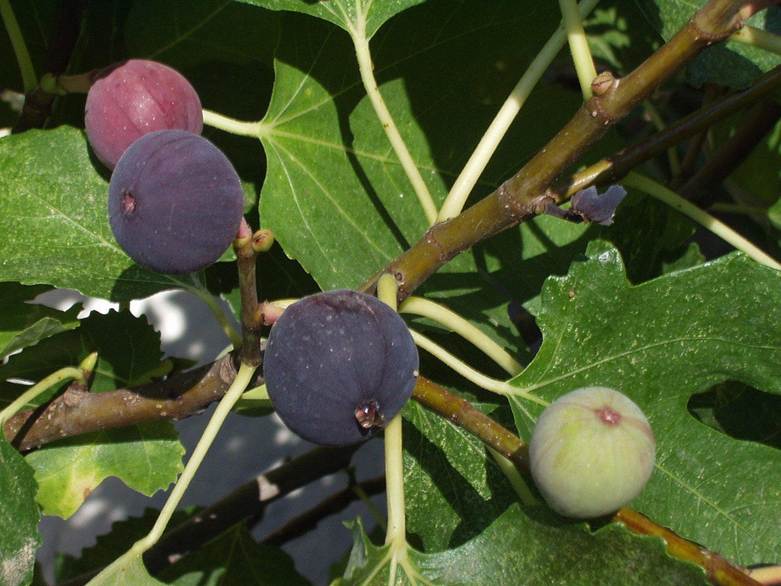
-As you develop your relationship with your fig tree, you’ll discover it’s a generous partner in the garden, asking little and giving much. And on that perfect summer day when you pick your first sun-warmed, perfectly ripe fig from your own tree, you’ll understand why this fruit has captivated humanity for over ten thousand years.
A world of figs: Exploring varieties and their unique characteristics
Walk into a farmers market in late summer and you might encounter figs in shades of deep purple, emerald green, golden yellow, and striped tiger patterns. Cut them open and the interiors reveal an artist’s palette: ruby red, amber gold, strawberry pink, and cream. Each variety offers not just a different appearance but a distinct personality, from honey-sweet to berry-tart, from delicate to robust. This diversity represents centuries of selection, adaptation, and cultivation across continents. Understanding fig varieties opens up a world of flavors, growing possibilities, and culinary applications.
Understanding fig classification
Before diving into specific varieties, it helps to understand how figs are classified. As discussed in earlier articles, figs fall into four main categories based on their pollination requirements and fruiting habits: common figs, Smyrna figs, San Pedro figs, and caprifigs.
For home growers and most commercial operations, common figs dominate because they develop fruit without pollination (parthenocarpy). These figs contain only the remains of unfertilized flowers rather than true seeds, giving them a different texture than pollinated figs. Common figs work in any climate, including areas where fig wasps don’t exist.
Smyrna figs require pollination by fig wasps to develop fruit. Without pollination, young figs simply drop from the tree. These figs contain crunchy true seeds and often have a nuttier flavor and firmer texture than common figs. They’re primarily grown in California and other warm climates where fig wasps can be maintained.
San Pedro figs produce two crops: an early breba crop on old wood that doesn’t require pollination, and a main crop that does require pollination to develop. These varieties offer flexibility but work best where fig wasps are present.
Additionally, figs produce fruit in two possible seasons. The breba crop forms on the previous year’s wood and ripens in early summer. Not all varieties produce a breba crop, and it’s typically smaller than the main crop. The main crop develops on current season’s growth and ripens in late summer through fall. In cold climates where wood freezes back, only varieties that fruit reliably on new wood will produce.
Black and purple varieties: The classic figs
Dark-skinned figs are what most people picture when they think of figs. These varieties range from deep purple-black to mahogany brown, with flesh colors from strawberry pink to deep red.
Black Mission is arguably the most recognized fig in America, brought to California by Spanish missionaries in the 1700s. The skin is deep purple-black with a slight sheen when ripe. Inside, the flesh is strawberry pink to deep rose, intensely sweet with complex berry notes and a hint of molasses. Black Mission figs are medium to large, teardrop-shaped, and have relatively thick skin that makes them excellent for drying.
The trees are vigorous and productive in warm climates (zones 8-10) but not cold-hardy enough for zone 7 and below. They produce a light breba crop and a heavy main crop. The flavor is rich enough to stand alone but not so intense that it overwhelms in recipes. This balance makes Black Mission the standard for both fresh eating and dried figs.
Brown Turkey is the workhorse of the fig world, grown more widely in the United States than any other variety. Don’t let the name fool you; these figs are actually copper-brown to purple-brown, not the mahogany of true Turkish varieties. Medium to large in size, they have pink to amber flesh that’s sweet but milder than Black Mission.
What Brown Turkey lacks in intensity it makes up for in reliability. The trees are moderately cold-hardy (to about 10°F), adapt to various soil types, resist many common fig problems, and produce consistently heavy crops. Both the breba and main crops are substantial. The figs hold well on the tree without splitting, a valuable trait in humid climates.
The flavor is pleasant rather than exceptional: sweet and figgy without complex notes. But for many growers, especially beginners, Brown Turkey’s forgiveness and productivity outweigh any flavor subtleties. It’s the variety that makes fig growing seem easy.
Chicago Hardy (also sold as Bensonhurst Purple) revolutionized fig growing in cold climates. This variety survives temperatures down to -10°F, and even if the top dies back completely, the roots survive and produce a new tree that fruits the same year. The figs are medium-sized, mahogany-brown skinned with strawberry-red flesh.
The flavor is surprisingly good for such a cold-hardy variety, with rich sweetness and berry notes. The texture is somewhat coarse compared to gourmet varieties, but fresh from the tree on a cold-climate August morning, few people complain. Chicago Hardy produces fruit reliably on new wood, making it perfect for zone 5 and 6 gardeners who never expected to harvest figs.
Trees stay relatively compact, typically 6 to 10 feet in cold climates where they die back, making them manageable in smaller yards. The figs are best fresh, as they don’t dry particularly well.
Violette de Bordeaux is a French heirloom that has developed a passionate following among fig connoisseurs. The figs are small to medium, deep purple-black with a dusty bloom, and the flesh is a stunning deep red reminiscent of raspberry preserves. The flavor justifies the enthusiasm: intensely sweet with berry notes, hints of wine, and a complex finish.
These are dessert figs par excellence, best eaten fresh when perfectly ripe. The small size means you’ll need several trees for significant harvests, but the flavor rewards the effort. The trees are moderately cold-hardy and relatively compact, rarely exceeding 10 to 12 feet. They produce a small breba crop and a good main crop.
Violette de Bordeaux has one quirk: the figs hang downward more than most varieties, making them less visible and sometimes leading to overripe fruit hiding among the leaves. Regular checking prevents waste.
Petite Negra (also called Petite Negri) produces abundant small figs with purple-black skin and deep strawberry-red flesh. The flavor is concentrated and very sweet, with a texture that’s smooth rather than crunchy. These figs are perfect for eating whole, adding to salads, or preserving.
The trees are productive, compact, and moderately cold-hardy. The small fig size means they ripen faster than larger varieties, an advantage in short-season climates. Some growers plant Petite Negra specifically for making preserves, as the small fruits have ideal proportions for whole-fig jam.
Green and yellow varieties: Subtle sophistication
Green and yellow figs often surprise people who associate figs only with dark purple fruit. These varieties offer different flavor profiles, generally milder and more delicate than dark varieties, with honey and melon notes instead of berry intensity.
Kadota is the classic green fig, with yellow-green skin that barely changes color when ripe, making harvest timing tricky for beginners. The flesh is amber to purple-pink, and the flavor is mild, sweet, and honey-like without the intensity of darker varieties. Medium-sized and teardrop-shaped, Kadotas have relatively thick skin and few seeds.
Kadota figs excel in canning and drying. They were the primary variety used for canned figs in the mid-20th century, and they still hold that market position. Fresh, they’re pleasant but subtle, the fig for people who find Black Mission too intense.
The trees are vigorous and productive in warm climates (zones 8-10) but struggle in cool summers where the fruit fails to ripen properly. They produce both breba and main crops, with the main crop being substantially larger.
Calimyrna is California’s answer to Turkey’s famous Smyrna fig. The name combines California and Smyrna, and the variety is essentially the Turkish Sari Lop adapted to California growing. These are Smyrna-type figs requiring pollination by fig wasps, so they’re limited to areas where wasps are established.
The figs are large, greenish-yellow skinned with amber flesh, and contain numerous crunchy seeds. The flavor is nutty, rich, and complex, with caramel and honey notes. The texture is firmer and less jammy than common figs, with a pleasant crunch from the seeds.
Calimyrna figs are California’s premier drying variety. When dried, they develop a golden color and concentrated sweetness while retaining some chew. They command premium prices as dried figs and for use in baking and confections.
The trees are large, vigorous, and heat-loving. They tolerate poor soil but require significant heat to ripen fruit properly. In ideal conditions, trees produce enormous crops that require support to prevent limb breakage.
Peter’s Honey is a San Pedro type fig prized for its exceptional sweetness. The breba crop produces large, green-gold figs with amber flesh that doesn’t require pollination. The main crop needs pollination but is usually less significant than the breba crop. Most home growers enjoy the breba crop and don’t worry about the main crop.
The flavor lives up to the name: pure honey sweetness with melon undertones and a smooth, melting texture. These are some of the sweetest figs available, occasionally so sweet they’re almost cloying. Peter’s Honey is best fresh, though it also dries well.
Trees are vigorous and productive in zones 7-10. The large breba crop in early summer fills the gap before most other figs ripen, making this variety popular for extending the fig season.
Desert King is unusual among figs, performing better in cool maritime climates than in desert heat. Developed in California, it thrives in the Pacific Northwest where many other varieties fail to ripen. The figs are very large, green-gold with strawberry to pink flesh.
The flavor is excellent: sweet, rich, and complex with berry notes. The texture is smooth and creamy. Desert King produces primarily a breba crop, with the main crop being light or nonexistent in most climates. The large breba crop compensates for the absent main crop.
Trees are vigorous, spreading, and moderately cold-hardy. They’re the go-to variety for western Oregon, Washington, and northern California where cool summers prevent most figs from ripening properly.
White Genoa (also called Genoa) produces medium to large greenish-yellow figs with amber-pink flesh. The skin is thin and tender, limiting this variety’s commercial potential but making it excellent for fresh eating. The flavor is mild, honey-sweet, and delicate.
Trees are productive and moderately cold-hardy, succeeding in zones 7-10. Both breba and main crops are reliable. The thin skin means figs are best harvested and eaten immediately, as they don’t transport or store well. This is a variety for gardeners who eat figs steps away from the tree.
Striped and multi-colored varieties: Visual drama
Some fig varieties offer unexpected coloration, with striped or bi-colored skin that makes them visually striking. These varieties often come from Italy and France, where heirloom selections preserved unique characteristics.
Panachee (also called Tiger Fig or Striped Fig) is instantly recognizable with its yellow-green skin boldly striped with dark green. The flesh is strawberry-red, and the flavor is sweet with berry notes. Medium-sized and teardrop-shaped, these figs are as delicious as they are beautiful.
The trees are moderately cold-hardy and productive in zones 7-10. The striped figs make dramatic presentations in salads and on cheese plates. Some growers plant Panachee purely for its ornamental value, treating the fruit as a bonus.
One caution: the striping can be subtle on young trees or in hot climates, becoming more pronounced as trees mature or in moderate climates with temperature fluctuations during ripening.
Grise (also called Italian Honey Fig) produces small to medium figs that are gray-green with a purple blush, giving them a dusty, antique appearance. The flesh is amber-pink, and the flavor is intensely sweet with honey and caramel notes. The texture is creamy and smooth.
These are gourmet figs, prized by chefs and fig enthusiasts. The trees are compact, relatively cold-hardy, and produce well in zones 7-9. They’re ideal for small spaces or containers. The small size and exceptional flavor make them perfect for preserves or eating fresh.
Lesser-known treasures: Heirloom and specialty varieties
Beyond the widely available varieties, a world of heirloom and specialty figs exists, preserved by fig collectors and small nurseries. Many represent regional selections grown for generations in specific areas.
Alma is a Texas heirloom developed for Gulf Coast climates. The figs are medium-sized, yellow-brown with amber flesh. The flavor is very sweet and rich. What makes Alma special is its heat tolerance and resistance to splitting in humid conditions. In areas where other varieties split and sour, Alma remains firm and sweet.
Lattarula (also called Italian Honey Fig, though different from Grise) produces small to medium yellow-green figs with amber flesh. The flavor is intensely sweet and honey-like. The trees are very cold-hardy (to about 5°F) and productive. The compact growth habit suits small spaces and containers.
Olympian is a large, purple-black fig with reddish flesh and excellent flavor. Trees are moderately cold-hardy and quite disease resistant. The figs hold well on the tree and resist splitting, making this variety valuable in humid climates.
Ronde de Bordeaux produces small, deep purple figs with red flesh and exceptional flavor. Similar to Violette de Bordeaux but even smaller, these figs pack intense sweetness into tiny packages. The trees are compact and relatively cold-hardy.
Ischica (Black Ischia) is an Italian variety producing small to medium purple-black figs with red flesh. The flavor is rich and sweet with wine notes. Trees are productive and moderately cold-hardy. This is a favored variety in Italy for drying and making preserves.
Conadria is a commercial variety developed in California, producing large white to yellow-green figs with pink flesh. The flavor is mild and sweet. Trees are extremely vigorous and productive, bearing heavy crops in zones 8-10. The large size and mild flavor made Conadria a favorite for processing, though it’s becoming harder to find in nurseries.
Breba vs. main crop: Understanding dual harvests
Many fig varieties produce two distinct crops with different characteristics. Understanding these differences helps with variety selection and harvest expectations.
The breba crop forms on the previous year’s wood (last season’s growth) and ripens in early summer, typically June in warm climates. Breba figs are often larger than main crop figs and may have slightly different flavor profiles. However, the breba crop is typically smaller in quantity, sometimes just a handful of figs per tree.
In cold climates where wood freezes back, breba crops are impossible since there’s no old wood to bear them. This makes varieties that produce reliable main crops essential for zones 7 and below.
The main crop develops on current season’s growth and ripens in late summer and fall. This crop is substantially larger, with mature trees producing dozens to hundreds of figs. Main crop figs are often smaller and more intensely flavored than breba figs.
Some varieties produce almost exclusively one crop or the other. Desert King produces a large breba crop and minimal main crop. Black Mission produces a light breba crop and heavy main crop. Brown Turkey produces substantial amounts of both.
For cold-climate growers, varieties that fruit reliably on new wood are essential: Chicago Hardy, Brown Turkey, Celeste, and Brunswick all perform well. For warm-climate growers wanting extended harvest, choosing varieties with substantial breba crops (Peter’s Honey, Desert King) along with main crop varieties extends fresh fig season from June through October.
Selecting varieties for your climate and purpose
Choosing the right fig variety involves matching multiple factors: your climate zone, growing season length, intended use, and personal flavor preferences.
For zones 5-6 (cold winter areas): Focus on cold-hardy varieties that fruit reliably on new wood: Chicago Hardy, Celeste, Lattarula, Brown Turkey. Container growing expands options since you can move tender varieties indoors.
For zones 7-8 (moderate winter areas): You have broader options: any cold-hardy variety plus moderately hardy ones like Violette de Bordeaux, Petite Negra, and White Genoa. Choose based on flavor preferences and whether you want breba crops.
For zones 9-11 (warm winter areas): Nearly any variety thrives. Base selection on flavor, size, and intended use. Consider Smyrna types like Calimyrna if fig wasps are established in your area.
For cool-summer climates: Desert King, Brown Turkey, and other varieties known for ripening in lower heat accumulation are essential. Avoid varieties like Kadota that need significant heat.
For humid climates: Choose varieties resistant to splitting and souring: Brown Turkey, Alma, Olympian. Avoid thin-skinned varieties like White Genoa.
For fresh eating: Any variety works, but gourmet types like Violette de Bordeaux, Peter’s Honey, and Grise offer exceptional flavor experiences.
For drying: Black Mission, Kadota, and Calimyrna dry excellently. Varieties with thicker skin and lower moisture content work best.
For preserves: Small to medium figs with intense flavor work well: Petite Negra, Grise, Ronde de Bordeaux.
Tasting notes: What to expect from different varieties
Fig flavors span a surprisingly broad spectrum. Understanding these differences helps you select varieties that match your palate.
Berry-forward figs (Black Mission, Violette de Bordeaux, Chicago Hardy) have prominent strawberry or raspberry notes along with sweetness. The flesh is typically pink to red. These varieties work beautifully fresh or in preserves where berry notes intensify.
Honey-sweet figs (Peter’s Honey, Kadota, Lattarula) emphasize pure sweetness with honey and sometimes melon notes. The flesh is usually amber. These varieties excel fresh or dried, and their mild flavor won’t overwhelm in recipes.
Complex, wine-like figs (Violette de Bordeaux, Ischica) offer layered flavors with hints of wine, caramel, or molasses beneath the sweetness. These are sipping figs, meant to be savored slowly. They pair excellently with strong cheeses and wines.
Nutty figs (Calimyrna, other Smyrna types) have firmer texture from crunchy seeds and flavors suggesting nuts, caramel, or brown sugar. They’re excellent dried or in baked goods where their texture adds interest.
Mild, balanced figs (Brown Turkey, White Genoa) offer pleasant sweetness without intense or complex notes. They’re versatile, working in any application without dominating other flavors.
Growing multiple varieties: Extending the season and experience
Planting multiple fig varieties offers several advantages beyond simple variety. Different ripening times extend harvest season. Different flavor profiles provide options for various uses. And having backups means crop failure in one variety doesn’t eliminate your harvest.
A strategic three-tree planting for warm climates might include: Peter’s Honey for early breba harvest (June), Brown Turkey for reliable mid-season production (July-August), and Violette de Bordeaux for exceptional late-season flavor (September-October). This provides fresh figs for four to five months.
For cold climates, focus on reliable cold-hardy producers: Chicago Hardy as the backbone, Celeste for sweetness, and Lattarula for its honey flavor. All fruit on new wood, ensuring harvest even after harsh winters.
Container growers might choose varieties based on growth habit: compact varieties like Petite Negra and Violette de Bordeaux stay manageable in pots, while still providing excellent flavor diversity.
The joy of variety
The diversity within the fig world means there’s a perfect variety for every grower, every climate, and every palate. A beginning gardener in Minnesota and an experienced orchardist in California both can find figs suited to their situations. Someone who loves intense berry flavors and someone who prefers mild honey sweetness can both find satisfaction.
This diversity represents thousands of years of human selection, preservation, and propagation. Each variety carries stories of the people who grew it, valued it, and shared cuttings with neighbors. When you plant a Violette de Bordeaux, you’re growing the same fig that flourished in French gardens centuries ago. When you taste a Chicago Hardy, you’re experiencing the result of careful breeding for northern climates.
Exploring fig varieties is a delicious journey. Start with one that suits your climate and situation. Taste others when you find them at markets or friends’ gardens. Trade cuttings with fellow growers. Over time, you’ll develop your own preferences and perhaps discover a variety that becomes your signature tree, the one you recommend to everyone, the one whose harvest you anticipate each summer.
The world of figs is vast and varied. Each variety waits to share its unique character, its particular sweetness, its distinctive place in the great, diverse family of figs. Your perfect fig is out there, ready to root, grow, and reward your patience with years of delicious harvests.
Frequently asked questions about fig varieties
What’s the difference between common figs and Smyrna figs?
Common figs develop fruit without pollination through a process called parthenocarpy. They contain only the remains of unfertilized flowers rather than true seeds, giving them a softer texture. Common figs work in any climate, including areas where fig wasps don’t exist. Smyrna figs require pollination by fig wasps to develop fruit, and without pollination, young figs simply drop from the tree. These figs contain crunchy true seeds and often have a nuttier flavor and firmer texture than common figs. They’re primarily grown in California and other warm climates where fig wasps can be maintained.
What are breba figs and how are they different from the main crop?
Breba figs form on the previous year’s wood and ripen in early summer, typically June in warm climates. They’re often larger than main crop figs and may have slightly different flavor profiles, though the breba crop is usually smaller in quantity. The main crop develops on current season’s growth and ripens in late summer and fall. This crop is substantially larger, with mature trees producing dozens to hundreds of figs. Main crop figs are often smaller and more intensely flavored than breba figs. In cold climates where wood freezes back, breba crops are impossible since there’s no old wood to bear them.
What are the best fig varieties for Western Washington?
Desert King is the top choice for Western Washington and the Pacific Northwest. It’s unusual among figs because it performs better in cool maritime climates than in desert heat, thriving where many other varieties fail to ripen. Desert King produces very large, green-gold figs with strawberry to pink flesh and excellent, sweet, rich flavor. It produces primarily a breba crop, with the main crop being light or nonexistent in most climates. Other good options for the region include Olympian, which was originally discovered in Western Washington, Brown Turkey, which adapts to various climates, and Lattarula.
Which fig varieties are most cold-hardy?
Chicago Hardy (also called Bensonhurst Purple) is the champion for cold climates, surviving temperatures down to -10°F. Even if the top dies back completely, the roots survive and produce a new tree that fruits the same year on new wood. Other cold-hardy options include Celeste and Brown Turkey (both tolerating cold to about 10°F), and Lattarula (hardy to about 5°F). All of these varieties produce fruit on new wood, making them ideal for zones 5 through 7 where freeze-back is expected.
What’s the best-tasting fig variety?
This depends on your flavor preferences! Violette de Bordeaux is considered by many connoisseurs to be exceptional, with intensely sweet flavor, berry notes, hints of wine, and a complex finish. The flesh is a stunning deep red. Peter’s Honey lives up to its name with pure honey sweetness and melon undertones. For berry-forward flavor, Black Mission offers rich sweetness with complex berry notes and hints of molasses. Grise (Italian Honey Fig) provides intensely sweet honey and caramel notes with a creamy texture. Each variety offers a distinct flavor experience.
Which fig variety is easiest to grow for beginners?
Brown Turkey is the workhorse of the fig world and the most widely grown variety in the United States. It’s moderately cold-hardy (to about 10°F), adapts to various soil types, resists many common fig problems, and produces consistently heavy crops of both breba and main crops. The figs hold well on the tree without splitting, a valuable trait in humid climates. While the flavor is pleasant rather than exceptional (sweet and figgy without complex notes), Brown Turkey’s forgiveness and productivity make fig growing seem easy.
Can I grow multiple fig varieties together?
Absolutely! Growing multiple varieties offers several advantages. Different ripening times extend your harvest season from early summer through fall. Different flavor profiles provide options for various uses. A strategic three-tree planting for warm climates might include Peter’s Honey for early breba harvest (June), Brown Turkey for reliable mid-season production (July through August), and Violette de Bordeaux for exceptional late-season flavor (September through October). This provides fresh figs for four to five months.
What fig varieties are best for drying?
Black Mission, Kadota, and Calimyrna are the top choices for drying. Black Mission has relatively thick skin and develops concentrated sweetness when dried. Kadota was the primary variety used for canned figs in the mid-20th century and excels in both canning and drying. Calimyrna is California’s premier drying variety, developing a golden color and concentrated sweetness while retaining some chew when dried. Varieties with thicker skin and lower moisture content generally work best for drying.
Which fig varieties work best in hot, humid climates?
Choose varieties resistant to splitting and souring in humid conditions. Brown Turkey holds well on the tree without splitting. Alma is a Texas heirloom specifically developed for Gulf Coast climates, with exceptional heat tolerance and resistance to splitting in humid conditions. Olympian also resists splitting and holds well on the tree. Avoid thin-skinned varieties like White Genoa, which don’t transport or store well and are more prone to problems in humidity.
What are Smyrna-type figs and where can I grow them?
Smyrna-type figs require pollination by fig wasps to develop fruit. Calimyrna is the most famous example, essentially the Turkish Sari Lop variety adapted to California growing. These figs are large, greenish-yellow with amber flesh, and contain numerous crunchy seeds. The flavor is nutty, rich, and complex with caramel and honey notes. They’re limited to areas where fig wasps are established, primarily California and other warm climates. Without wasps, the young figs simply drop from the tree unpollinated.
What are the best fig varieties for small spaces or containers?
Compact varieties that stay naturally small or respond well to pruning work best. Celeste stays relatively compact, typically 6 to 10 feet. Violette de Bordeaux rarely exceeds 10 to 12 feet and is relatively compact. Petite Negra is productive and compact. Grise is ideal for small spaces or containers. Chicago Hardy stays relatively compact in cold climates (6 to 10 feet) where it dies back annually. Lattarula also has a compact growth habit suitable for containers.
Why are my green figs hard to harvest at the right time?
Green and yellow fig varieties like Kadota have yellow-green skin that barely changes color when ripe, making harvest timing tricky for beginners. With these varieties, you need to rely on other ripeness indicators: the fig should feel soft when gently squeezed, it may develop a slight bend in the neck, and often a drop of nectar appears at the base. The skin may develop a slight translucent quality when ripe. Learning to harvest green varieties takes practice and attention to these subtle cues rather than color change.
What’s the difference between Violette de Bordeaux and Ronde de Bordeaux?
Both are French heirloom varieties with exceptional flavor. Violette de Bordeaux produces small to medium figs that are deep purple-black with stunning deep red flesh reminiscent of raspberry preserves. The flavor is intensely sweet with berry notes, hints of wine, and a complex finish. Ronde de Bordeaux is similar but even smaller, packing intense sweetness into tiny packages. Both trees are compact and relatively cold-hardy, making them ideal for small spaces, though you’ll need several trees for significant harvests due to the small fruit size.
Which fig varieties have the most unusual appearance?
Panachee (also called Tiger Fig or Striped Fig) is instantly recognizable with its yellow-green skin boldly striped with dark green, plus strawberry-red flesh. Grise produces small to medium figs that are gray-green with a purple blush, giving them a dusty, antique appearance. These striped and multi-colored varieties often come from Italy and France, where heirloom selections preserved unique characteristics. They’re as delicious as they are beautiful, making dramatic presentations in salads and on cheese plates.
Do I need fig wasps to grow figs?
For most home growers, no! Common figs (which include most popular varieties like Brown Turkey, Black Mission, Chicago Hardy, Celeste, and many others) develop fruit without pollination or wasps. They work perfectly in any climate, including areas where fig wasps don’t exist. Only Smyrna-type figs like Calimyrna require fig wasps for pollination. San Pedro figs produce an early breba crop without wasps, but their main crop requires pollination. For cold-climate growers, common figs are the only option since fig wasps don’t survive freezing temperatures.
What fig variety should I choose for my climate zone?
For zones 5 through 6 (cold winter areas), focus on Chicago Hardy, Celeste, Lattarula, and Brown Turkey. All fruit reliably on new wood even after freeze-back. For zones 7 through 8 (moderate winters), you have broader options including any cold-hardy variety plus moderately hardy ones like Violette de Bordeaux, Petite Negra, and White Genoa. For zones 9 through 11 (warm winters), nearly any variety thrives, so base selection on flavor, size, and intended use. For cool-summer climates, choose Desert King, Brown Turkey, and other varieties that ripen in lower heat. For humid climates, select splitting-resistant varieties like Brown Turkey, Alma, and Olympian.
Leave a Reply